
Categories
All About Texas, Our Favorites, Lifestyle, EventsPublished June 18, 2026
Juneteenth: Understanding Its History, Significance, and Lasting Impact

Juneteenth: Understanding Its History, Significance, and Lasting Impact
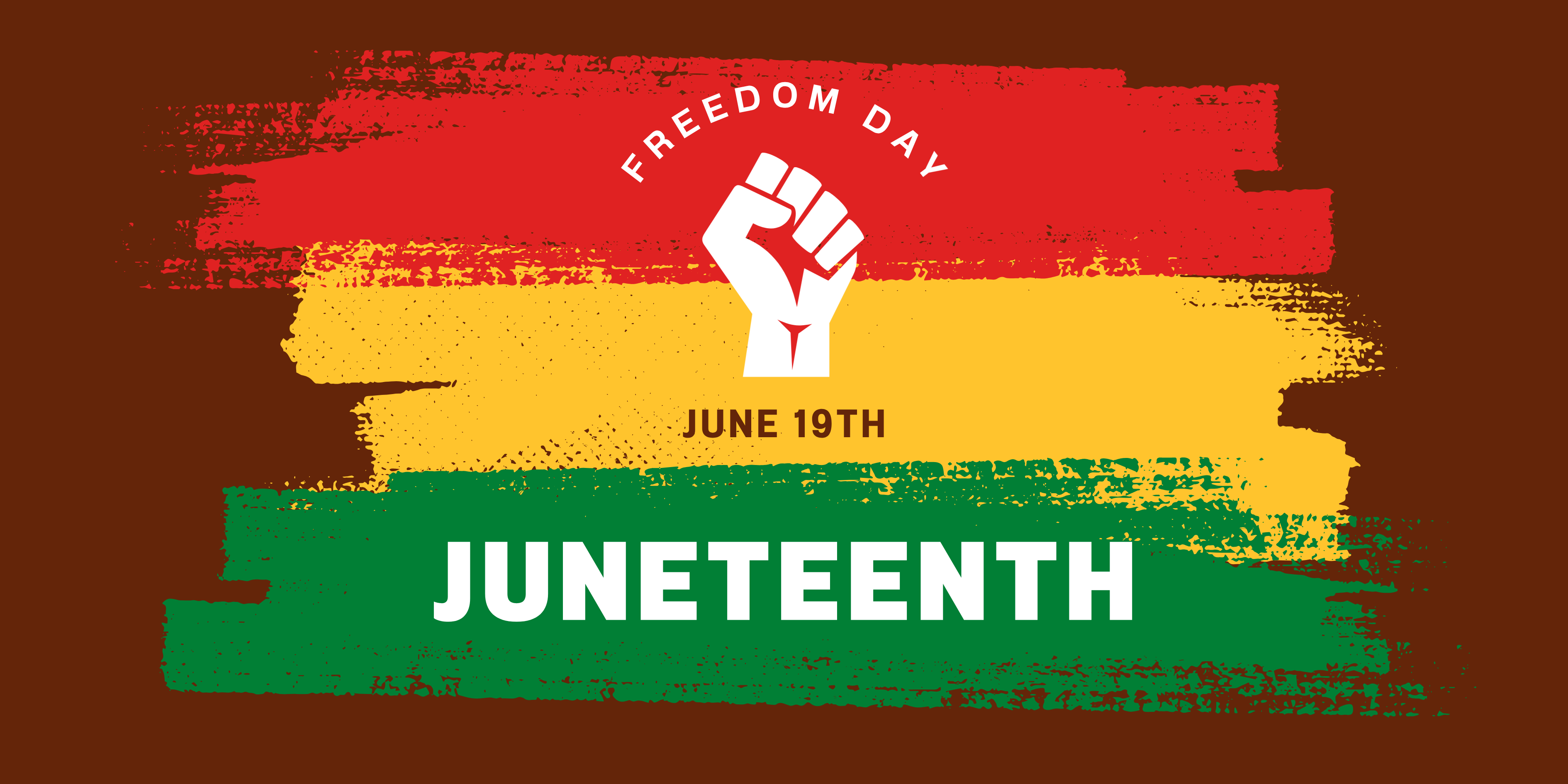
Every year on June 19, millions of Americans commemorate Juneteenth, a day that marks one of the most important milestones in the nation's journey toward freedom and equality. Often referred to as "Freedom Day" or "America's Second Independence Day," Juneteenth honors the emancipation of enslaved African Americans and serves as a powerful reminder of both the progress achieved and the work that remains in the pursuit of justice.
The History of Juneteenth
The origins of Juneteenth date back to the final years of the American Civil War. On January 1, 1863, President Abraham Lincoln issued the Emancipation Proclamation, declaring that enslaved people in Confederate states were legally free. However, the proclamation could not immediately be enforced in areas still under Confederate control.
As a result, many enslaved individuals remained in bondage despite the proclamation. Texas, located far from the major battlefields of the Civil War, became one of the last Confederate strongholds where slavery continued largely uninterrupted.
On June 19, 1865, Union Major General Gordon Granger arrived in Galveston, Texas, and issued General Order No. 3, announcing that all enslaved people in Texas were free. More than 250,000 enslaved African Americans learned of their freedom that day—over two years after the Emancipation Proclamation had been issued. This historic event became the foundation of what is now known as Juneteenth.
The Growth of a Tradition
Following emancipation, newly freed African Americans began gathering annually to celebrate their freedom. Early Juneteenth observances included community gatherings, religious services, music, storytelling, educational events, and family reunions. These celebrations provided opportunities for people to honor their ancestors, preserve cultural traditions, and reflect on the meaning of freedom.
Over time, Juneteenth spread beyond Texas as Black families moved throughout the United States. Despite periods when the holiday received limited national attention, communities continued to celebrate and preserve its legacy across generations.
The movement to gain broader recognition grew steadily throughout the twentieth century. In 2021, Juneteenth National Independence Day was officially designated as a federal holiday, making it the first new federal holiday established in the United States in nearly four decades.

Why Juneteenth Matters
Juneteenth is more than a celebration of a historical event. It represents the fulfillment of a promise of freedom that was delayed for thousands of people. The holiday highlights an important truth about history: legal change does not always translate into immediate reality.
The significance of Juneteenth lies in its recognition of resilience, perseverance, and hope. It honors the courage of those who endured slavery while celebrating the achievements of generations who fought for civil rights, equality, and opportunity.
For many Americans, Juneteenth also serves as a time for education and reflection. It encourages a deeper understanding of the nation's history and the experiences of African Americans whose contributions have helped shape the United States. By learning about Juneteenth, communities gain a more complete understanding of the country's past and the challenges that have influenced its development.
The Impact of Juneteenth Today
In recent years, Juneteenth has become a catalyst for meaningful conversations about history, race, and social progress. Schools, museums, businesses, and community organizations use the occasion to educate the public about the legacy of slavery and the ongoing pursuit of equality.
The holiday has also inspired increased recognition of African American culture, achievements, and contributions. Celebrations across the country often feature educational programs, historical exhibits, artistic performances, and community service initiatives that bring people together across backgrounds and generations.
Perhaps most importantly, Juneteenth reminds Americans that freedom is not simply a historical achievement but an ongoing responsibility. The values represented by the holiday—justice, equality, dignity, and opportunity—continue to shape discussions about the future of the nation.
Looking Forward
As Juneteenth continues to grow in recognition and significance, it stands as a symbol of both remembrance and hope. The holiday honors those who endured oppression, celebrates the resilience of African American communities, and encourages all Americans to reflect on the meaning of freedom.
More than 160 years after the events in Galveston, Juneteenth remains a powerful reminder that progress is possible when people work together to uphold the principles of liberty and human dignity. By remembering the past and learning from it, future generations can help build a more inclusive and equitable society for all.
SOURCES:
- U.S. National Archives
- Smithsonian National Museum of African American History and Culture (NMAAHC)
- U.S. Office of Personnel Management
- GovInfo (U.S. Government Publishing Office)

Dyron Taylor
Broker I Owner GRI, ABR, SFR | Taylor Realty Group | Keller Williams Realty Austin
or another way